Agent-native prospecting · evidence first

Turn a market question into a prospect list you can interrogate

Give your AI agent an ICP, a territory, and the evidence standard. Unify GTM returns structured research with source context and review states—without forcing another seat-based workspace into your stack.

Inspect a sample result

Copying is step one; you still run and configure the skill in your agent.

INSTALLnpx -y @okki-global/okki-go-taroball
SAMPLE TASK
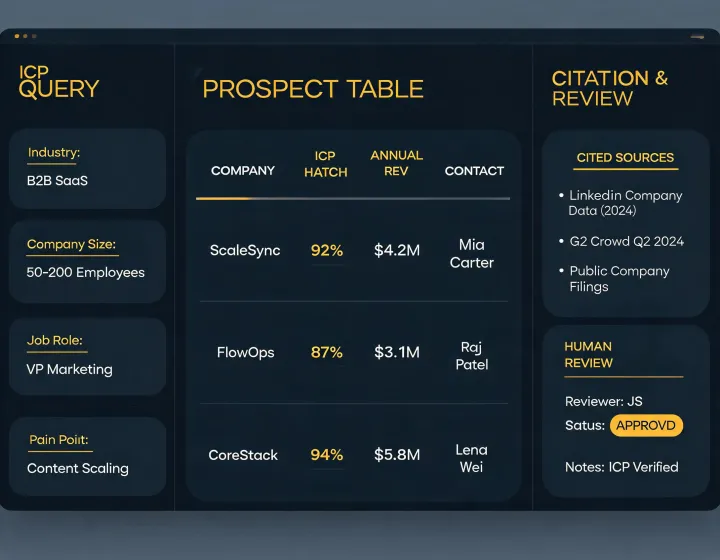
Find B2B infrastructure teams hiring RevOps, then show the evidence behind each match.
AI agent prospecting research interface with evidence columns

Agent-native capabilities

A workflow that exposes every decision boundary

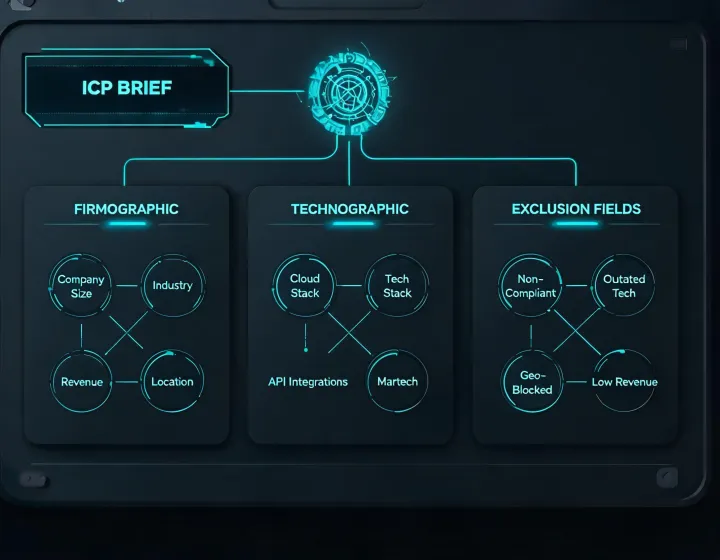
Agent translating an ICP into structured research fields

Turn an ICP into an executable research schema

Specify territory, company attributes, technologies, buying signals, exclusions, and evidence thresholds in one task. Observations remain separate from inference, so a reviewer can challenge why an account qualified.
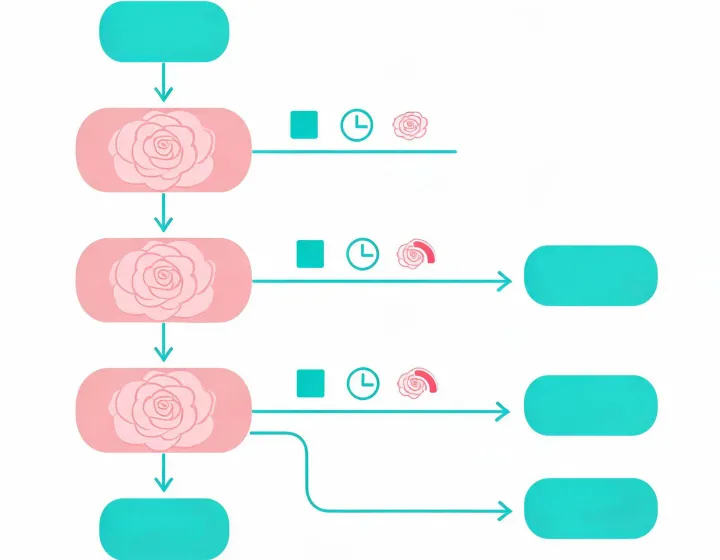
Waterfall enrichment provenance graph

Keep enrichment provenance visible

Single-source and waterfall enrichment have different cost, coverage, freshness, and deletion implications. Unify GTM frames every supplied field as provider-dependent evidence instead of hiding multiple lookups behind a universal accuracy claim.

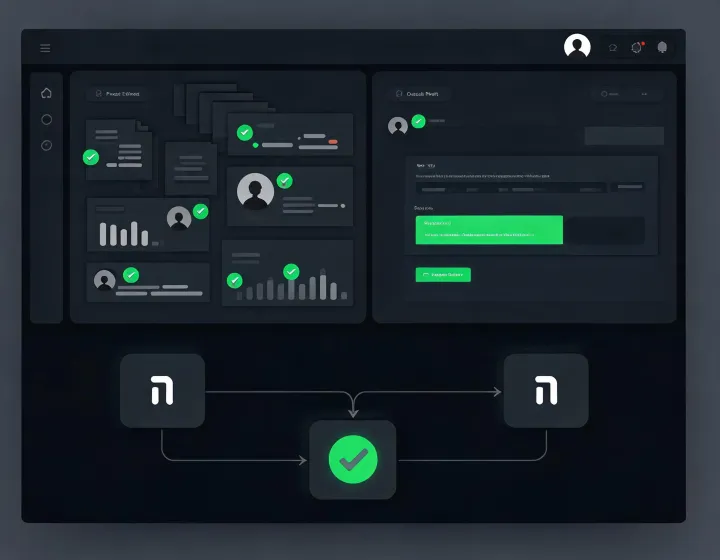
Human review gate before outbound action

Place people before external action

Research, contact choice, drafting, approval, and sending remain distinct states. Teams can inspect relevance, suppression, consent obligations, SPF, DKIM, DMARC, and sender reputation without granting the agent automatic outreach authority.

Built around revenue decisions

Slide through the workflows your team already owns

Founder market test

Challenge a segment thesis with source-backed signals before adding another software seat.

SDR account research

Build focused shortlists while keeping contact choice and outreach under human review.

RevOps enrichment

Compare provider provenance, rate limits, freshness, deduplication, and CRM write behavior.

GTM engineering

Compose agent tasks, secrets, APIs, exports, retries, and observable review states.

Agency delivery

Separate client credentials, ICP rules, suppression lists, outputs, and audit trails.

Execution timeline

Progress is a sequence of verifiable states

01 · Brief

Define

Lock the ICP, exclusions, sources, output schema, and acceptance standard.

02 · Research

Observe

Collect public signals and configured enrichment while preserving timestamps and provenance.

03 · Review

Challenge

Inspect weak matches, unknown fields, regional restrictions, and provider assumptions.

04 · Activate

Decide

Export or draft only after a person approves the result and downstream permissions.

Four-state runbook

Copy is not install; install is not a first result

  1. 01

    Copy

    npx -y @okki-global/okki-go-taroball

    Success signal: the exact command is in your clipboard.

  2. 02

    Run

    Paste the command into the terminal used by your supported AI-agent environment. Read the package prompt before allowing execution.

    Success signal: the installer completes without a package or permission error.

  3. 03

    Configure

    Add only the provider credentials your chosen workflow requires. Keep keys in the runtime secret store; never paste them into prospecting prompts.

    Success signal: the agent can enumerate the installed skill without exposing secrets.

  4. 04

    First result

    Begin with a narrow ICP and request evidence fields. Review sources, uncertain matches, and exclusions before exporting or drafting outreach.

    Success signal: a structured sample appears with reviewable provenance.

Install FAQ

Questions to settle before the first run

It invokes the published installer through npx. Review the terminal output, requested permissions, package provenance, and your runtime policy before continuing.

No. Copy only places the exact text on your clipboard. You decide when and where to run it.

The recommended workflow keeps targeting, message approval, suppression, and send decisions under human control. Follow CAN-SPAM, CASL, GDPR, and other rules applicable to your recipients and region.

Use your agent runtime’s secret management mechanism, scope permissions narrowly, rotate credentials, and confirm deletion behavior for any stored result.