-
What exactly is Unify GTM?
-
How is Unify different from Apollo for GTM teams?
-
Who is Kevin Liang at Unify GTM on LinkedIn?
-
What does the AI email writer feature actually do?
-
What sales intelligence software features should I look for?
-
How does cold email software fit into an agent-native prospecting workflow?
-
What's the hidden cost nobody talks about?
-
Should we buy Unify GTM or just upgrade what we have?
I'm the office administrator at a 120-person B2B company. I manage software subscriptions, vendor contracts, and renewals—roughly $300k a year across 40-plus vendors. I report to operations and finance, not sales. But when our VP of Sales asked me to evaluate AI sales tools, I had questions. These are the ones I wish someone had answered before I started.
The questions:
- What exactly is Unify GTM?
- How is Unify different from Apollo for GTM teams?
- Who is Kevin Liang at Unify GTM on LinkedIn?
- What does the AI email writer feature actually do?
- What sales intelligence software features matter most?
- How does cold email software fit into an agent-native prospecting workflow?
- And the one nobody mentions: what's the hidden cost?
What exactly is Unify GTM?
Unify GTM is a go-to-market platform that combines sales intelligence, intent data, and AI-powered outreach into one system. Think of it as the “unify” part of the name: instead of keeping your contact database in one tool, your email verification in another, your LinkedIn automation in a third, and your phone system in a fourth, you have one layer.
Look, I'm not a sales tech expert. I'm the person who signs the check and manages the contracts. But the pitch made sense to me: fewer tools, cleaner data, and fewer integration headaches.
Is it perfect? No. No software is. But the direction is clear—more automation, less copying data between systems.
How is Unify different from Apollo for GTM teams?
Apollo is a legitimate tool. It has a massive database, email finders, and sequencing. For GTM teams that like classic sequences, Apollo works.
Here's the thing: Unify is trying to solve a different problem. Apollo is like a well-stocked pantry—you still have to decide what to cook. Unify is more like a sous-chef that's already read the recipe and started prepping. It's built for agent-native workflows, meaning the AI can take an intent signal, draft an outreach email, send it, and hand off to a phone or LinkedIn agent without a human copying data between systems.
So “how is Unify different from Apollo for GTM teams” is the right question. It's not “which one has more contacts?” It's “which workflow do you actually want?” If your team runs classic sequences, Apollo is fine. If you want AI agents to work across multiple channels from unified data, Unify is the more interesting fit.
Who is Kevin Liang at Unify GTM on LinkedIn?
If you searched “Kevin Liang at Unify GTM LinkedIn,” you're not alone. I did the same thing before our procurement call.
Honestly, I don't know his official title, so I'm not going to make one up. What I do know: the name Kevin Liang keeps appearing on Unify's LinkedIn presence, and his posts tend to be less hype, more “here's how we think about outbound.”
Is he the founder? A product lead? I'd guess someone senior, but “senior” is enough for a LinkedIn follow. If you're evaluating Unify, I'd follow him. He's a better source than the generic “AI will transform sales” feed.
What does the AI email writer feature actually do?
The AI email writer is not “type a prompt, get a finished email, click send.” If that's what you expect, you'll be disappointed. No tool should promise that.
What it actually does: pulls context from your CRM, intent data, and whatever you know about the account, then drafts a personalized cold email. You edit it, approve it, and send it. The AI is trying to solve the blank-page problem while keeping your voice.
Real talk: the output is only as good as the context. If the data feeding it is bad, the email will be vague and robotic. That's why I keep coming back to data quality—the AI writer is a polished surface. Underneath, it's still garbage-in, garbage-out.
What sales intelligence software features should I look for?
I've sat through too many sales software demos. Here are the features I'd check before signing anything:
- Data accuracy and source quality
- Coverage on your actual ICP
- Intent signals that mean something
- CRM integration that doesn't require constant fixing
- Email verification built into the workflow
- Compliance controls, including CAN-SPAM basics
If you ask me, the most important is source quality. I only believed that after ignoring it and watching our SDRs waste six weeks on a cheap list with dead email addresses. Bad data doesn't just cost hours—it makes your brand look sloppy. A prospect who gets a wrong-name email thinks “this company doesn't care,” not “they have a tiny data error.”
The best way to test sales intelligence software features is to try them against your own contacts. Bring a list of 50 real prospects and see how many emails are actually correct. And be suspicious if a vendor promises perfect accuracy. Per the FTC's advertising guidelines, claims need substantiation. Good vendors are honest about data limitations.
How does cold email software fit into an agent-native prospecting workflow?
Cold email software isn't dead. In an agent-native workflow, it's the opening move.
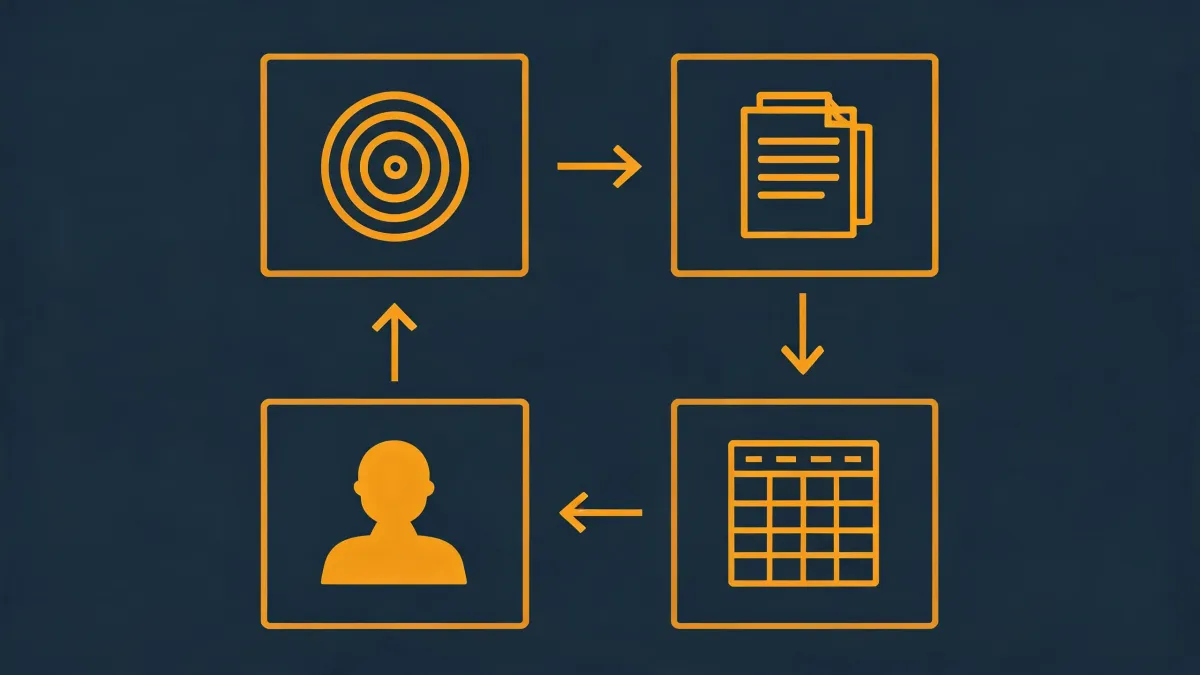
Here's the sequence I've seen work: the AI agent uses intent data to identify accounts showing buying signals. It drafts a cold email with the AI email writer, sends it, tracks replies, and handles follow-ups. If a reply needs a phone call, the phone agent gets involved. If the account goes quiet, LinkedIn automation runs a touch. The cold email software is the channel. The agent-native part is the orchestration around it.
The “volume over quality” thinking comes from an era when cold email was less regulated and inboxes were less crowded. That's changed. Spam filters are smarter, buyers are pickier, and the FTC's CAN-SPAM Rule still applies: truthful subject lines, a clear opt-out, and your physical postal address. A good cold email workflow respects those rules and still feels personal.
What's the hidden cost nobody talks about?
Software price is the visible cost. The hidden one is implementation and data cleanup.
Every time we add a sales tool, someone spends days connecting the CRM, cleaning contacts, setting up permissions, and learning the interface. That's not free. The tool that costs less per seat can end up costing more in team hours.
When I compare Unify to the alternative—keeping five separate tools—I think about total cost, not just the subscription. If Unify really does replace multiple point solutions, the maintenance savings might justify the price. But that's an “if.” Ask for a proof-of-concept and a detailed integration plan before you commit.
Should we buy Unify GTM or just upgrade what we have?
That's the question I'd ask before any purchase. If you already have a stack that works and your team isn't complaining about data syncs, you don't need another tool. If you're tired of bouncing between Apollo, a separate email verifier, a LinkedIn automator, and a phone agent, then a unified layer is worth investigating.
Don't buy it because it's “AI.” Buy it because it closes a specific gap in your workflow. Ask the vendor to show you how the AI agent handles a real reply. Ask what happens when data gets stale. Ask how long implementation takes. If they can't answer those questions, that's an answer.