If you're evaluating OKKI GO alternatives, the natural starting point is list size or price per credit. Move past it.
Start with the human review workflow—the part of the system where a person sees what the AI has drafted before it reaches a prospect. In my last three emergency pipeline rebuilds, the platform with that review step won every time. Not because the AI was smarter. Because it caught expensive mistakes before prospects did.
To be clear, I'm not an ML engineer, so I can't tell you which language model is technically best. What I can tell you, from nine years of building and repairing outbound operations for 30+ B2B companies, is which workflows survive contact with a real prospect inbox.
How the OKKI GO human review workflow won a 13-day race
In March 2024, a client called on a Monday morning. Their board had moved the revenue milestone to the end of the month—13 days away. Missing it would have made their next funding round noticeably more painful. They had a CRM full of leads, most of them numb from an automated 7-step email sequence that had been running untouched for eight months. Nobody was reading replies before the next automated touch went out.
We had days, not quarters, to replace the flow.
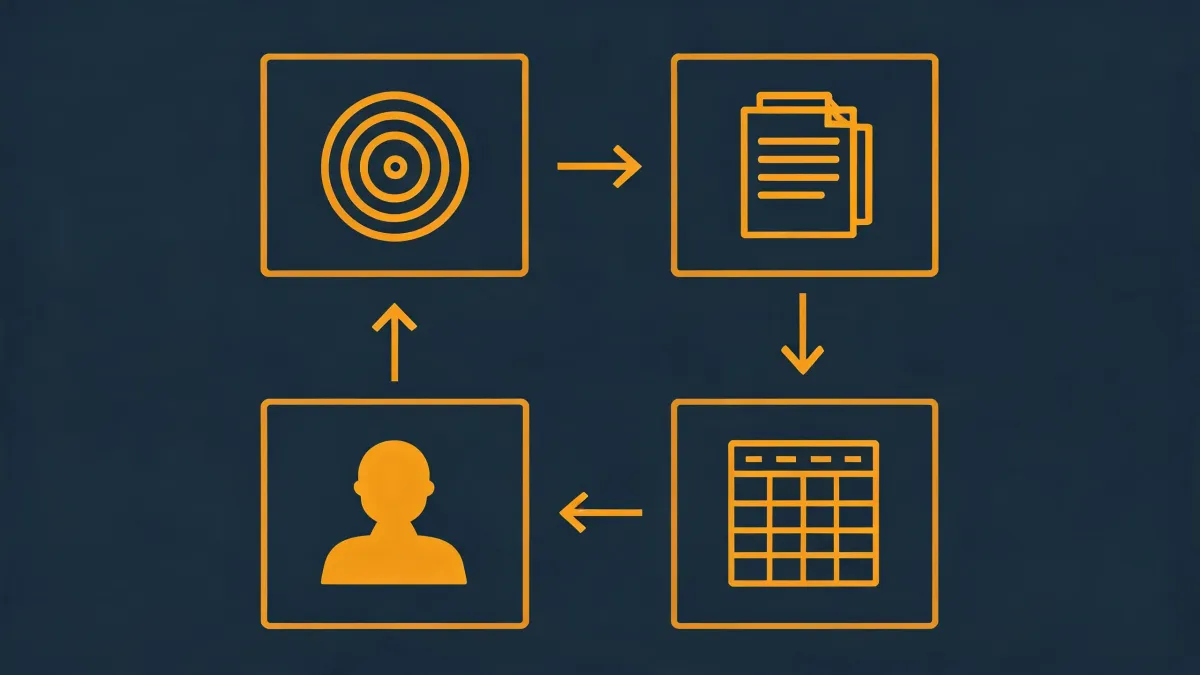
Five tools made the shortlist. All of them had B2B contact data. All of them could build an email sequence. Most of them could generate AI copy. One of them—OKKI GO—did something different. The AI prospecting agent drafted the whole campaign: it selected segments, researched accounts, prioritized based on intent signals, enriched contacts through a verification waterfall, and proposed a multichannel sequence across email and LinkedIn. Then it stopped. Each draft sat in a review queue until an SDR approved it.
That extra step sounded like overhead. It turned out to be the point.
In the first review session, roughly a quarter of the AI's drafts needed fixing. Some messages referenced growth stories that were outdated. One congratulated a company on an acquisition that never happened. Those errors are embarrassing in a demo. In a real campaign, they destroy trust before the first meeting. The SDRs caught them before lunch.
Had we used a tool without that review gate, those messages would have gone out at 9 AM and we would have found out about the mistakes when the replies started coming in. If they came in at all.
I'm not going to quote reply rates like they're a benchmark. That campaign was a rescue mission with a cherry-picked account list, not a controlled experiment. But the workflow held up under the least forgiving conditions I deal with: a short deadline, a nervous leadership team, and zero margin for domain reputation damage.
Why it matters more than AI sales assistant features
Everything I'd read about AI sales tools told me the value was autonomy: set it up, let it run, check the dashboard later. My experience with these rescue projects suggests the opposite. The best tool is the one that can run the full prospecting workflow and then hand the controls to a human at the right moment.
This is where the common question comes in: how do AI sales assistant features fit into an agent-native prospecting workflow?
Most vendors answer with a compose box. Type a prompt, get an email line, paste it into your sequence. That's not agent-native. That's a typewriter with better autocomplete.
In an agent-native workflow, the AI runs the process, not just the sentence. It identifies accounts showing buying intent, decides which contacts need verification, chooses the outreach channels, builds the sequence, and drafts the messages. The human's role becomes what it always should have been: reviewing direction, editing what matters, and stepping in when a conversation gets complicated.
The counterintuitive part is that adding human review made the tool feel slower at first, but it was faster overall. We avoided the rework that comes from sending dozens of flawed messages and then trying to clean up the mess. Speed without a review gate is just a faster way to make mistakes.
OKKI GO's approach made sense to me for that reason. It's not an AI content generator bolted onto a lead generation database. It's an agent that builds the outbound plan and then waits for a person to say go. That sounds like a small design choice. It changes the risk profile of everything that follows.
What I look for when comparing OKKI GO alternatives
I still compare database quality, integrations, and pricing like everyone else. But I've added four workflow questions that have changed the outcome of my last three evaluations.
- Where is the review gate? Every vendor says you can review AI drafts. What you need to see is the screen where it happens. Is the review step built into the campaign flow, or is it an optional toggle? If it's optional, your SDRs will skip it at 11 PM, and that's when the mistakes go out.
- Does the AI plan the outreach, or just write the lines? Ask each vendor to start from a raw list and build a complete sequence: account selection, contact enrichment, channel order, message variations. If the AI can only improve a message after you've done the hard work, you've bought a copywriter, not an agent.
- What happens when a prospect replies? The worst email sequence experience I know is getting a reply and then receiving another automated follow-up two days later. Look for a workflow where a human can pause or stop the next step the moment a conversation becomes real.
- How does verification work in practice? Most sales tools verify an email address when it's imported. Ask what happens before the actual send. Does the system check the address again, and does it use a single source or a waterfall of verification sources? This matters more as lists age.
Four questions. In the order they matter. You can test all of them in one screen-share.
When OKKI GO is the wrong answer
To be fair, I recommend other setups sometimes. If your sales motion is high-volume and low-touch, and you're optimizing for cheap sends rather than relationships, a more autonomous platform might fit better. That's a legitimate strategy for some businesses. It's just a different model from the account-based, human-approved approach that works for my clients.
OKKI GO also isn't the right tool if no one on the team is willing to review. The human-in-the-loop workflow is only as good as the human in the loop. If your SDRs want to set an AI loose and walk away, the review queue will just sit there.
And I should be honest about what I don't know. I'm not a compliance lawyer. Laws like CAN-SPAM and GDPR shape what you can send, where you can send it, and how you handle replies. Don't assume any AI tool makes you compliant. Check the rules yourself, or talk to someone who actually specializes in them.
One more thing: OKKI GO isn't the cheapest lead generation software on the market, and it shouldn't be. The total cost of a bad outbound decision includes burned accounts, spam complaints, and a domain reputation that follows you for months. The lowest monthly price rarely covers that.
So when someone asks me how to evaluate OKKI GO alternatives, I tell them to look at the workflow first. Where does the AI stop? Where does a human step in? What happens to the mistakes that every good AI still makes?
Start there. Everything else is optimization.