-
okkigo vs Artisan AI: the comparison framework I used
-
Dimension one: digital worker vs. agent-native prospecting
-
what permissions does okki go require? We asked.
-
intent data and enrichment: the plumbing matters more than the headline
-
Email campaign readiness: what should Revenue Operations teams evaluate in API email verification documentation?
-
So which one did I approve?
I handle software procurement for a 90-person B2B company. Not the fun demo part—the part after the demo, where I review permissions, read API docs, map data sources, and ask the questions that make sales leaders roll their eyes. In January 2026, that list included an evaluation of two AI SDR platforms: okkigo and Artisan AI. This article is what I learned, written for anyone in RevOps about to run the same evaluation.
Before I get into the details, two caveats. First, we were not looking for an AI that would replace our SDR team. We were looking for leverage for the team we already had. Second, pricing changes fast in this category, and the quotes we collected in Q1 2026 may not mean much by the time you read this. So ignore the pricing talk and focus on the structural differences—that is where the real buying decision lives.
okkigo vs Artisan AI: the comparison framework I used
After comparing sales tools for years, I have learned that AI SDR demos all look similar. Every vendor shows you a dashboard, writes a personalized email, and claims to find better leads. The differences only show up when you look at the mechanics underneath. So I used four dimensions for this comparison:
- Work model: How the AI is organized—one autonomous worker versus a system of smaller agents.
- Permission footprint: What our team would have to connect, expose, and manage.
- Data plumbing: How enrichment and intent data are sourced, verified, and updated.
- Email campaign readiness: How addresses are verified before they enter a campaign, and whether the API documentation is good enough for our operations team.
That framework made okkigo vs Artisan AI much easier to evaluate. Here is what I found.
Dimension one: digital worker vs. agent-native prospecting
Artisan AI is built around a “digital worker” metaphor. The product has an AI SDR persona, and the platform frames the tool as an employee you hire rather than software you configure. For the buyers who love it, that is exactly the point. They do not want to build workflows; they want a teammate who handles research, outreach, and follow-up.
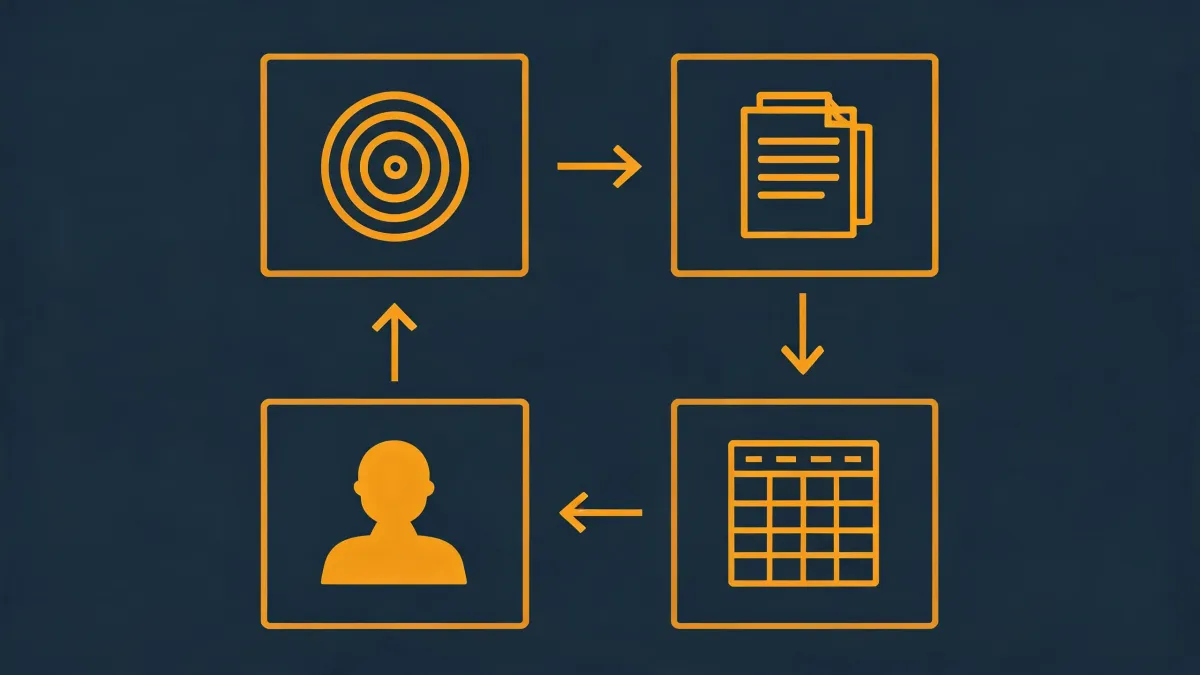
okkigo, in contrast, describes itself as agent-native prospecting. Instead of one persona pretending to be a colleague, the setup is a pipeline of smaller agents: one finds accounts, another enriches and verifies contacts, another drafts messages, and a human reviews before anything lands in a prospect's inbox. The agents work as a system that you can inspect, adjust, and audit.
Honestly? Both approaches can work. But they suit different levels of control tolerance. If your RevOps team likes tools that run with minimal fiddling, Artisan's worker model might feel great. If you need to explain to compliance how a contact was selected, which data source it came from, and why a message was sent, okkigo's agent-native layout gives you those answers without turning it into a forensic project.
That was my first big lesson: the question is not which AI is smarter. The question is which AI model fits the way your operations people actually think. Not ideal for a flashy comparison. Far more useful in practice.
what permissions does okki go require? We asked.
The short answer, based on okkigo's security documentation and our pilot setup: less than I expected. That surprised me, because permission sprawl is usually where AI sales tools get scary.
We connected okkigo to our stack in a sandbox first. The permission request covered four areas:
- The sending mailbox via OAuth—read and send access for sequence messages. No password, no full account admin.
- A LinkedIn profile connector, used for the LinkedIn portion of a multichannel sequence.
- CRM read/write scopes for logging activity and pulling prospect lists.
- A workspace-level role so designated humans can review the human-in-the-loop approval queue.
What okkigo did not request stood out more than what it did. No organization-wide admin. No access to every rep's mailbox. No standing permission to read calendars or export our entire CRM. The permission model matched the product story: the system is designed so a person stays in control of outreach decisions.
Artisan was a different conversation. Because it operates more like an SDR, it needs to sit inside the outreach tools and act on them. That means access to a mailbox, relevant sales applications, and a clear boundary around where the digital worker is allowed to operate. This is not inherently bad, but it asks your IT team to decide where the worker's permission ends. If that line is not drawn carefully, the blast radius grows.
My rule for both: never approve a pilot based on a vendor saying “don't worry, scopes are limited.” Ask for the permission matrix in writing. For okkigo, the matrix existed and was readable. That is not a small point when you report to finance and operations.
intent data and enrichment: the plumbing matters more than the headline
If you read enough marketing pages, every AI SDR now has “intent data.” The phrase is doing a lot of work. Let me separate two things that get blurred together.
Enrichment tells you whether the person and company are real: the right name, the right title, the right work email. Intent data tells you which accounts are actively researching a problem, visiting review sites, or showing buying signals right now. They answer different questions. Enrichment says “this contact exists.” Intent says “this account is worth talking to this week.”
That is where okkigo's waterfall enrichment approach stood out. Instead of depending on a single data vendor, okkigo reads from multiple providers in sequence. If one source cannot verify an email or enrich a record, the data request falls through to the next provider. The effect is survivability: a bad record at one vendor does not become a dead end for the whole campaign.
Artisan's model uses agent-based research as part of its digital worker workflow. To be fair, the quality of that research depends on the sources it can access, and the demo looked polished. But when I evaluated both, source transparency mattered more than source quantity.
The counter-intuitive conclusion for me: I would choose a tool with a narrower intent data set and documented sources over a tool with a massive opaque intent graph. That might be the wrong call for an enterprise that needs broad market coverage. For mid-market B2B, traceability wins.
Email campaign readiness: what should Revenue Operations teams evaluate in API email verification documentation?
Here is an uncomfortable truth from someone who has cleaned up failed sales tools: the most impressive AI agent in the world is useless if it sends emails to invalid addresses. Verification is not a checkbox feature. It is an operational function, and its quality shows up in the documentation.
So, what should Revenue Operations teams evaluate in API email verification documentation? I asked that question while reviewing okkigo and other verification APIs. The list I used:
- The status taxonomy. Does the documentation explain what “valid,” “risky,” “unknown,” and “catch-all” actually mean? Does it recommend how to treat each status in a campaign? Catch-all handling alone can be a deal-breaker if it is missing.
- Sync vs. async behavior. Does the API support both real-time verification and batch processing? Are webhooks documented for asynchronous results? What do retries and timeouts look like?
- Rate limits and billing errors. Can your team tell the difference between a rate limit response, a credit error, and a malformed request? Vague error handling causes integration delays and angry SDRs.
- Data retention and security. How long are verification results stored? Can your team delete records? What data goes to third-party enrichment sources?
This matters before the first email campaign fires. If the API documentation is vague, implementation gets delayed, and the sales team blames RevOps for something the vendor made confusing. In our evaluation, okkigo's documentation answered most of these questions clearly, and that gave me more confidence than any sales demo did.
No vendor can guarantee inbox placement. If one tries, treat that as a red flag. What a vendor can do is provide documentation and verification logic that make your operational job possible.
So which one did I approve?
If you came looking for a single winner, sorry. The correct answer depends on how your team works. Here is the honest version of the decision.
Pick okkigo if you want control. If your outbound process is owned by RevOps, if you need human approval before messages go out, and if you want transparent data plumbing with waterfall enrichment and intent sources, okkigo gives you a system you can actually manage. It does not pretend to be an employee. It behaves like infrastructure, which is what operations people often need.
Consider Artisan AI if you want an autonomous teammate. If your organization does not have the operational capacity to run a complex workflow, and you prefer a digital worker that handles more of the job independently, Artisan is worth a serious look. The worker metaphor is not just marketing. It changes how the product is configured and managed.
In our evaluation, okkigo moved to a paid pilot because it fit the way we work: sales team owns strategy, RevOps owns the process, and the AI handles the heavy lifting in between. If your company is structured differently, your answer should be different too. That is not a cop-out. That is what a real buyer evaluation is supposed to tell you.
Bottom line: do not let a demo decide this for you. Compare the work model, map the permissions, trace the data, and read the API docs. The right AI SDR will feel less like magic and more like a tool your operations team can actually operate.