There's No Single Right Answer Here
I've been managing vendor relationships and tool procurement for B2B sales teams for about six years now. Roughly 40 sales tools evaluated in that time—everything from CRM add-ons to standalone enrichment platforms. And I can tell you: the "okki-go vs Hunter" question doesn't have one clean answer.
What I've learned is that the right setup depends on three things: how many SDRs you're supporting, how mature your existing tech stack is, and whether your prospecting workflow actually needs to be agent-native or whether that's just a buzzword in a pitch deck.
So instead of pretending there's a universal winner, let me break this down by scenario. Because honestly, the scenario matters more than the tool.
Three Scenarios, Three Very Different Answers
Before we get into specifics, here's the rough classification I use when evaluating outreach infrastructure for our sales team:
- Scenario A: Small team (1–5 SDRs), starting from scratch or using a patchwork of free tools
- Scenario B: Growing team (5–20 SDRs) with existing tools that don't talk to each other
- Scenario C: Agency or enterprise with multiple client workflows and API requirements
Each of these situations calls for a genuinely different approach. Not just different tools—different logic about what to prioritize.
Scenario A: You're Starting From Scratch (1–5 SDRs)
If you've got a small team and you're currently doing manual prospecting—copy-pasting from LinkedIn, finding emails one by one, sending from your regular Gmail—there's a strong case for an all-in-one solution.
This is where okki-go makes a lot of sense. The installation is pretty straightforward. I remember when I set it up for our four-person SDR team back in 2023—took maybe an afternoon to get the API connections sorted, and the email validation piece was running by the next morning.
For this scenario, what matters most is:
- Email validation that runs automatically before any outreach goes out
- Email warmup so your domain doesn't get torched in week two
- Basic intent data so you're not guessing who to contact
okki-go handles all three reasonably well. Is it the best at any single one of these? Probably not. But for a small team, having them all in one place—integrated, no duct tape—beats having three "best-in-class" tools that create more work than they save.
I should mention: my experience here is mostly with B2B SaaS companies in the 50–200 employee range. If you're a solo founder or running a 500-person sales org, the calculus is different.
Scenario B: You Have Tools, They Just Don't Talk (5–20 SDRs)
This is where I see teams get into trouble. You've got Hunter for email finding. You've got a separate intent data provider. You've got an outreach sequencer. None of them know the others exist.
So your SDRs are manually exporting CSVs, cleaning data in spreadsheets, importing into the next tool. I watched one team spend 11 hours a week just on data shuffling. Eleven hours. That's basically a full SDR's worth of time going to copy-paste work.
The temptation here is to rip everything out and replace it with one platform. I'd push back on that.
My honest recommendation for this scenario: keep Hunter if it's working for you. It's a solid email finder with good coverage. Don't replace something that isn't broken just because a new tool has a shinier landing page. Instead, use okki-go as the orchestration layer—waterfall enrichment, intent signals, and validation—while Hunter handles what it's already good at.
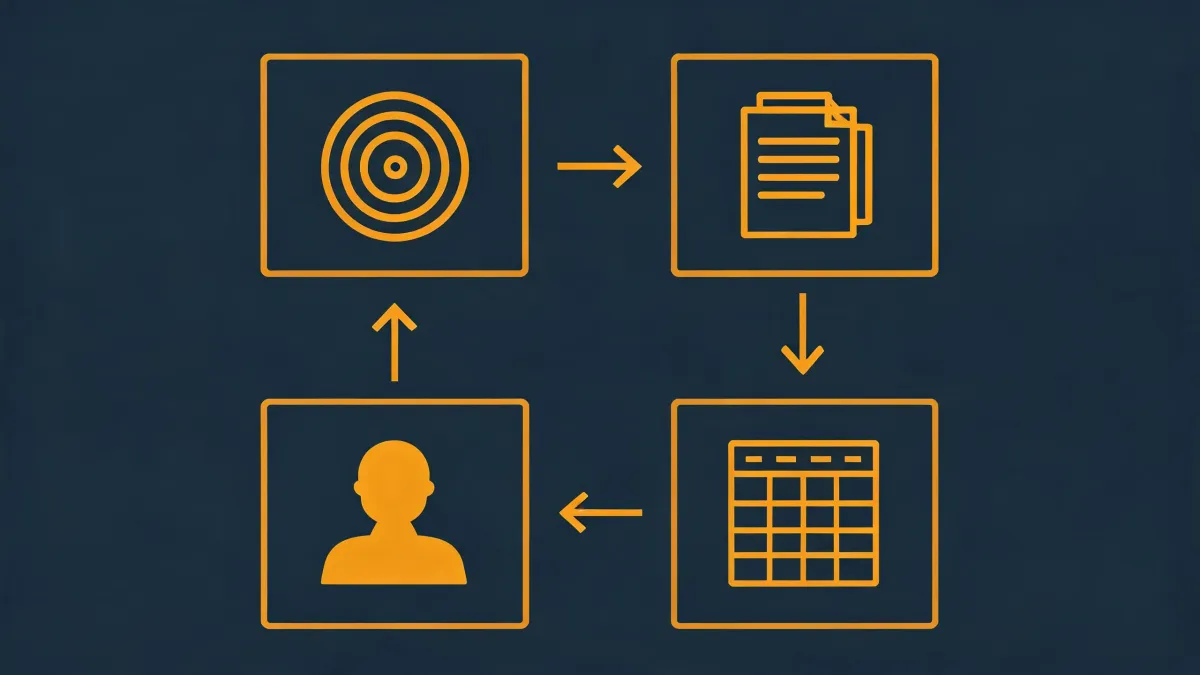
The agent-native prospecting workflow is what you're actually building here. That means:
- SDR defines the ICP in one place
- Intent data triggers a lead into the pipeline
- Enrichment runs automatically (waterfall: try source A, fall back to B, then C)
- Email validation happens before the sequence starts
- Warmup runs continuously in the background
- Human reviews the final list before anything sends
If you're doing steps 1–5 manually right now, that's where the real cost is hiding. Not in the subscription fee.
I went back and forth between "one platform" and "best-of-breed stack" for two weeks. On paper, one platform made sense. But my gut said we'd lose the flexibility we actually needed. We went with the stack approach. No regrets so far—about eight months in.
Scenario C: Agency or Multi-Client Setup
If you're managing prospecting for multiple clients or running an outbound agency, none of the above applies cleanly.
You need API access. You need per-client domain isolation. You need to be able to spin up a new workspace in an afternoon without re-architecting everything. And you need email warmup that actually stays warm across client accounts (which, by the way, is harder than it sounds—I've seen agencies burn through domains in a matter of weeks).
For this scenario, okki-go is a component, not a platform. Use its waterfall enrichment and intent data via API. Build your own orchestration layer on top. If a client already has Hunter integrated into their stack, don't force a migration.
Honestly? The risk here isn't the tool choice. It's operational discipline. Domain management, sending limits, compliance—those matter more than which enrichment vendor you picked.
How to Figure Out Which Scenario You're In
Here's a quick self-assessment. Be honest with yourself:
- If you're spending more than 5 hours a week on manual prospect research and you don't have a dedicated ops person—you're in Scenario A. Start with okki-go's install and see how the agent-native workflow fits.
- If you already have 2+ prospecting tools but your SDRs complain about data being "everywhere"—you're in Scenario B. Don't replace. Integrate.
- If you're managing more than 3 client domains or need white-label reporting—you're in Scenario C. Build, don't buy the whole stack.
One more thing. I've seen teams with "bad" tools succeed because they had a clear ICP and consistent process. I've seen teams with expensive stacks fail because they never defined who they were actually trying to reach.
The tool is the easy part. Your process is the hard part. Get that right first.