I run outbound operations for a B2B SaaS company. I've handled 200+ rush pipeline requests in four years, including same-day list builds for enterprise webinars and conference follow-ups. When I'm triaging an outbound emergency, I care about three things: hours left, feasibility, and worst-case risk.
So when someone asks how website intent data features fit into an agent-native prospecting workflow, I don't answer in theory. I compare it to the older default: batch intent lists and manual enrichment. Same ICP. Same offer. Same deadline. Which one actually holds up?
Here's the frame I use: A) website intent data feeding an agent-native workflow, where agents monitor, enrich, verify, and stage outreach with human review. B) batch intent lists dropped into a CRM and worked manually or through basic sequences. I'm judging both on signal freshness, workflow fit, data quality, cost, and time certainty.
Dimension 1: Signal Freshness and Time Certainty
Batch intent lists are like frozen meals. Convenient, somewhat predictable, and always a little older than you hope. Website intent data is more like cooking from what's in the fridge right now.
In a rush, freshness is the whole game. If a prospect visits your pricing page, compares two features, and downloads a security doc on Tuesday, that buying intent is probably strongest on Tuesday. By Friday, it might still be useful—but it's likely colder.
Agent-native prospecting workflow advantage: the agent can trigger enrichment and API email verification close to the moment of signal. Not magically real-time in every case, but much closer than a monthly list purchase. Batch list advantage: it's easier to buy in bulk and load into a campaign without building a workflow.
Conclusion for this dimension: if your deadline is tight, website intent data wins on time certainty. If you're planning a quarter ahead, batch lists are fairly workable.
Dimension 2: Workflow Fit: Agent-Native Automation vs. Manual Handoffs
This is where the comparison gets less obvious. Agent-native doesn't mean no humans. It means the repetitive parts—watching signals, enriching accounts, verifying emails, deduping, staging—are handled by agents, while a human reviews edge cases and messaging.
A batch list workflow usually looks like this: buy list, upload CSV, clean fields, verify emails, assign to SDRs, write sequences, launch. Each handoff adds delay and error risk. In an emergency, every handoff feels like a small fire.
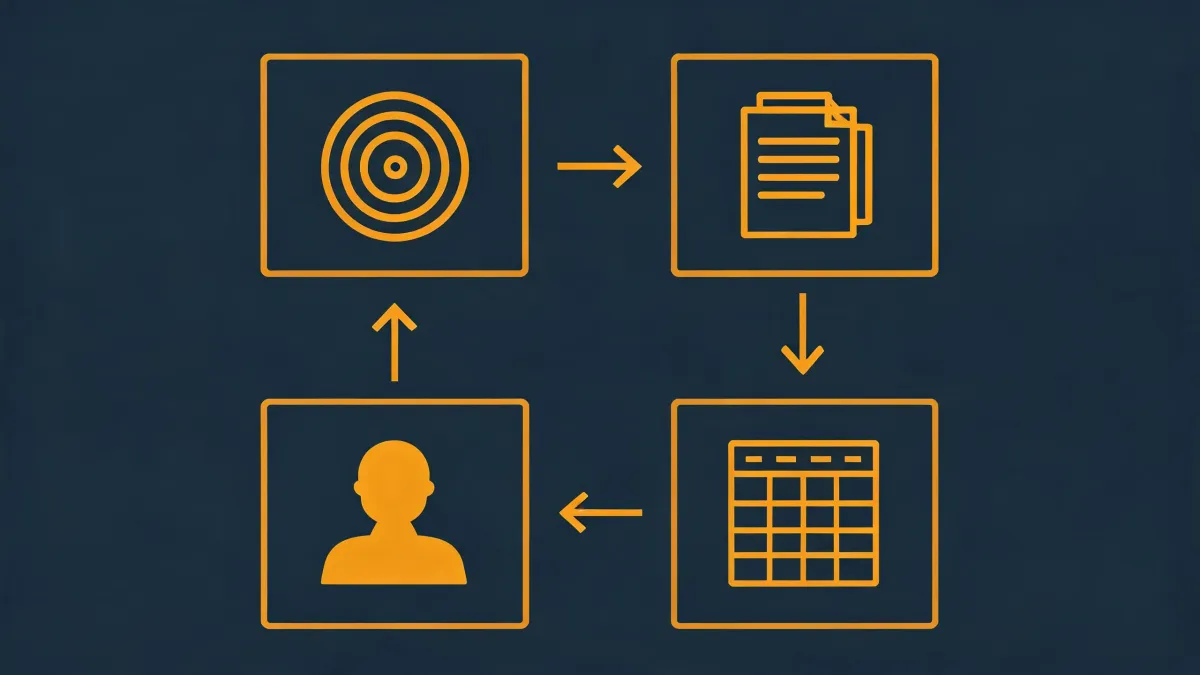
An agent-native workflow with website intent data can do: signal detected → account enriched → contact matched → API email verification → sequence staged → human approves. That's a big difference when you have 36 hours, not six weeks.
But here's the counterintuitive part: full automation is not always the goal. I've seen fully automated runs create more cleanup than manual ones. The best rush workflows keep a human in the loop for judgment. So agent-native wins on speed and consistency, but only if you keep review gates.
Fragmented. Messy. But workable.
Dimension 3: Data Quality, API Email Verification, and Compliance
Website intent data is not automatically clean. It tells you someone showed interest. It doesn't tell you their email is valid, their title is current, or their company is a fit.
That's why API email verification belongs in the workflow, not after it. If you're evaluating okkigo's documentation—sometimes searched as okki-go—look for how API email verification fits into enrichment and sequencing. A verification API can reduce bounces and protect sender reputation, but it doesn't guarantee deliverability. Nobody can honestly promise that.
Batch lists often include verification as an add-on. That's fine, but it can be stale by the time you launch. Website intent data plus waterfall enrichment plus verification is likely to be fresher, though not perfect.
Compliance matters here too. Per FTC guidelines (ftc.gov), advertising claims must be truthful, not misleading, and substantiated. The CAN-SPAM Act also requires accurate sender information, a clear opt-out, and prompt honoring of opt-outs. If your rush campaign skips those basics, you're not saving time—you're borrowing risk.
Per FTC guidelines (ftc.gov), advertising claims must be truthful, not misleading, and substantiated with evidence. Source: FTC Business Guidance on Advertising.
Conclusion: website intent data has an edge when paired with verification and compliance checks. Batch lists can be compliant too, but they require more manual review under deadline pressure.
Dimension 4: Cost and the Time Certainty Premium
Let's talk money. Website intent data features are usually not the cheapest option. Batch lists look cheaper on the invoice. That's real.
But in a rush, cheap and uncertain is expensive. In March 2024, we had 36 hours before a pipeline review. Normal enrichment turnaround was two days. The upside of a cheap batch list was saving a few hundred dollars. The risk was missing the review with stale contacts and unverified emails. I kept asking myself: is that savings worth potentially losing the meeting?
The numbers said take the cheaper list. My gut said use the fresher website intent signals. We went with the smaller, fresher list and paid extra for guaranteed turnaround. It wasn't cheap. But we delivered. The cheaper list would probably have worked for a normal campaign. It was unlikely to work for that deadline.
What I mean is that the premium isn't only for speed. It's for certainty: knowing the list is verified, the workflow is staged, and the worst case is contained. After getting burned twice by probably-on-time promises, we now budget for guaranteed delivery when the deadline is real.
Faster? Yes. Cheaper? No. Worth it in an emergency? Usually.
Which Fits Your Agent-Native Prospecting Workflow?
Choose website intent data features when:
- You have a hard deadline—webinar, conference, pipeline review, product launch.
- Buying intent signals are recent and tied to your ICP.
- You need API email verification and enrichment inside the workflow, not bolted on afterward.
- You can keep a human-in-the-loop for messaging and edge cases.
Choose batch intent lists when:
- You're planning weeks or months ahead.
- You need broad coverage more than freshness.
- Your team has time for manual cleaning and verification.
- You're testing a new market and volume matters more than precision.
If you're mapping okki go sales workflow automation or reviewing okki go documentation, don't start with the shiniest feature. Start with the handoff that breaks under deadline. For most teams I've worked with, that handoff is email verification and enrichment. Website intent data features only fit an agent-native prospecting workflow if they reduce that friction—not add another dashboard.
No tool replaces human judgment. No verification API guarantees deliverability. No workflow guarantees replies. But when time is short, certainty is worth paying for.